
.png)
.png)


By the end of this lesson,students will be able to:
ADST
Big Ideas
Curricular Competencies
Science
Big Ideas
Consumables:
Non-Consumables:
Important note about natural materials:
Whenever possible, use recycled, reclaimed, or sustainably sourced materials when building pollinator hotels. Avoid collecting bamboo, wood, bark, twigs, or other natural materials from parks, forests, or protected areas, where they provide important habitat for wildlife and contribute to healthy ecosystems. If collecting natural materials, only gather small amounts of fallen branches, twigs, or other loose materials from places where their removal will not cause ecological damage, and never remove materials from living plants or disturb existing insect habitats. This is an opportunity to discuss how sustainable engineering begins with responsible material selection and thoughtful use of natural resources.
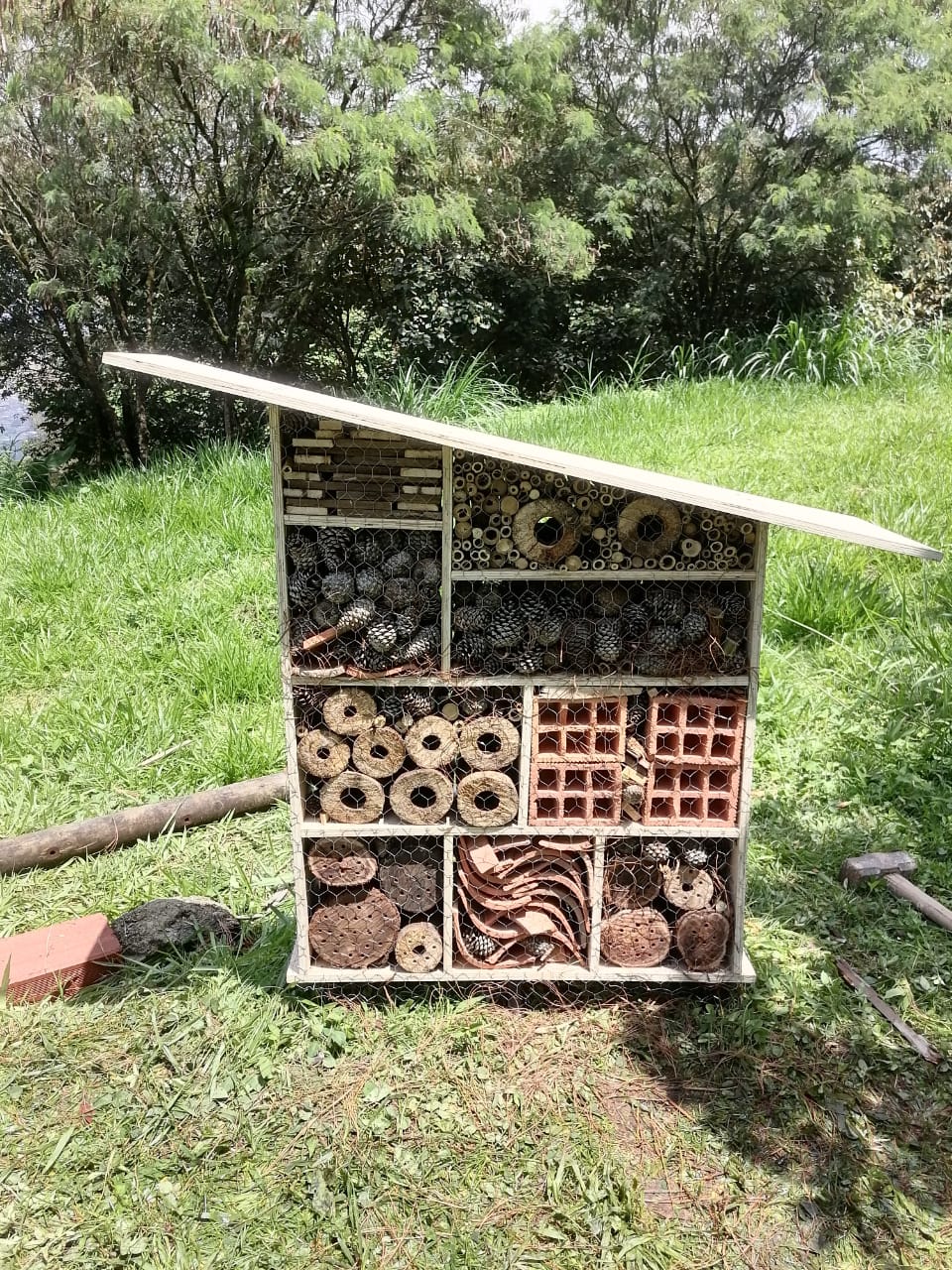
Students investigate the role of native pollinators in local ecosystems and explore why pollinator populations are declining. Using the Engineering Design Process, they research the nesting needs of pollinators found in British Columbia, then design, build, and test a pollinator hotel using sustainable and recycled materials. If installed outdoors, students can monitor their designs over time to observe which pollinators visit and evaluate how effectively their habitat supports local biodiversity.
Faculty of Applied Science
Geering Up - Room 208,
6190 Agronomy Road,
Vancouver BC, V6T 1Z3



